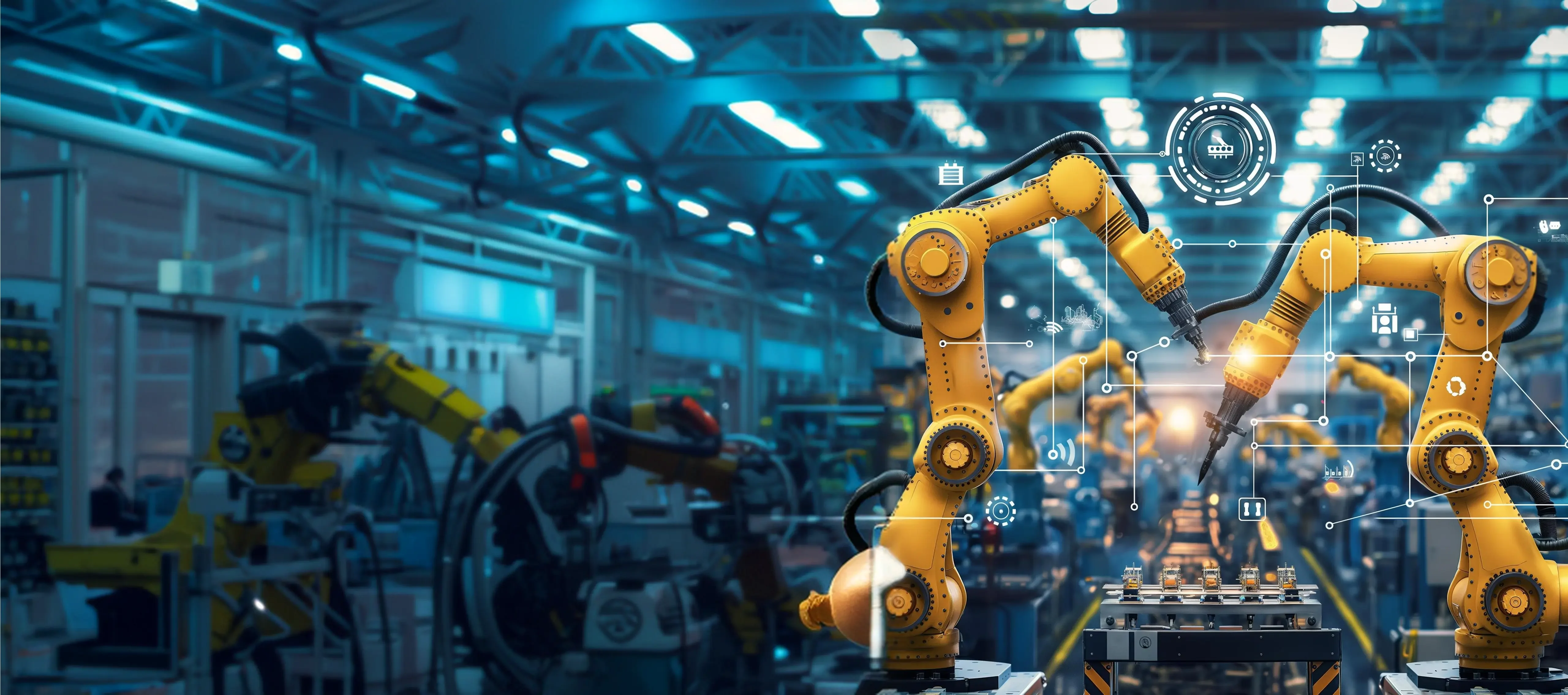
Building The Software Behind Modern Production.
The factory floor generates more data than any part of your business, and uses the least of it. We build the systems that turn machines, sensors, and lines into decisions you can act on in real time.
Downtime is Measured in Dollars Per Minute.
Most plants already collect the data that would have caught the problem. It sits in historians, PLCs, and machine logs that were never connected to anything that could act on it. We build the layer that closes that gap, moving OT data into systems where deviations are detected, escalated, and answered while production continues.

The Problems We Engineer Around.
Instrumentation is not the constraint. The constraint is everything between the machine and the system that decides what happens next. Plaxonic builds that connective layer for plant operators, equipment makers, and manufacturers running multiple sites.
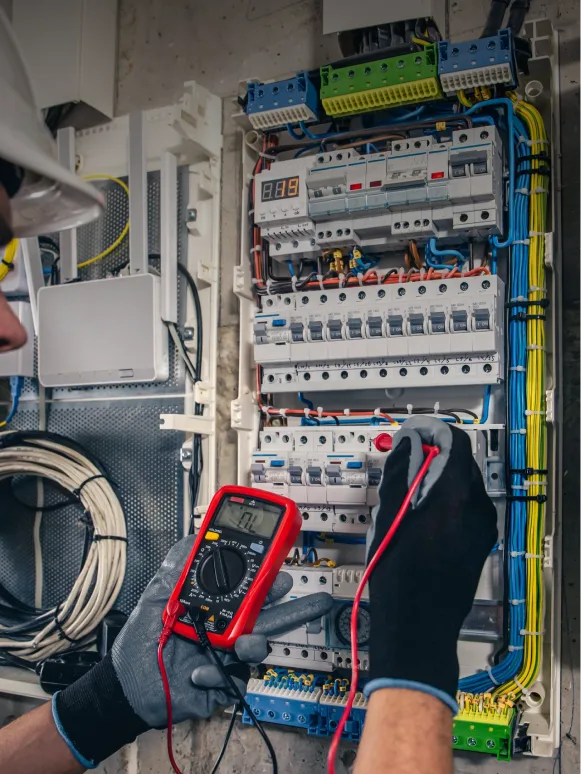
Your machines run on protocols that cannot talk to each other.
A PLC on Modbus, a CNC on MTConnect, a new cell on OPC-UA, a chiller on BACnet, and a decades-old press that speaks nothing at all. The data exists. It just never arrives in the same place, in the same shape, at the same time, so the report is always yesterday's.
Your downtime is detected after the output is already lost.
The alert comes when the line stops, not when the vibration signature first drifted three weeks earlier. By then it is an emergency call-out, a scrapped batch, expedited freight, and a schedule that slips down the week.
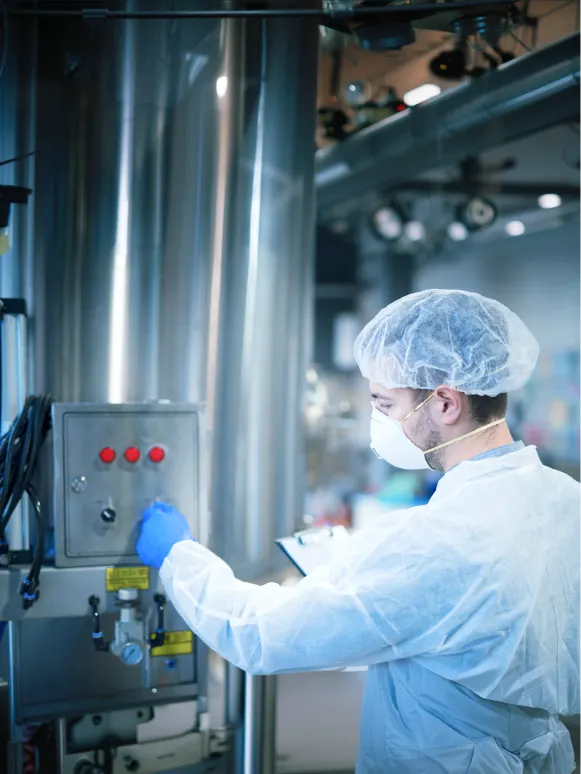
Your quality checks run after the defect is already built in.
A drift upstream becomes a reject downstream, hours later, after value has been added to a part that was never going to pass. You do not just lose the part. You lose everything you spent finishing it.
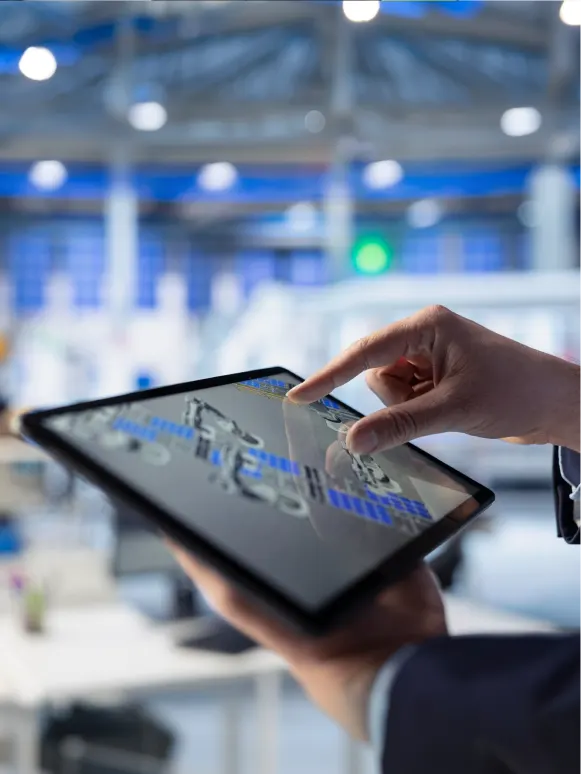
Your AI pilot proved the model and never reached the line.
The model predicted failures beautifully on historical data. Then it met an environment with no connectivity guarantees, no clear owner, and a plant manager who needed to know why it flagged a machine before pulling it from service. Nobody could answer that, so the pilot stalled.
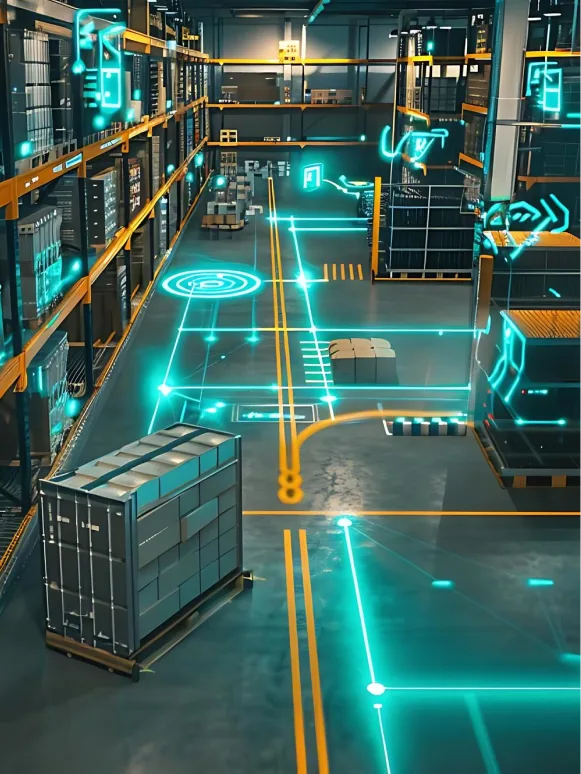
Your OT and IT run as two separate estates.
The systems on the floor and the systems in the office were built by different people, on different assumptions, with security models that do not agree. The plant team fears a connection becomes a path to production. Getting that wrong is where most Industry 4.0 projects quietly die.
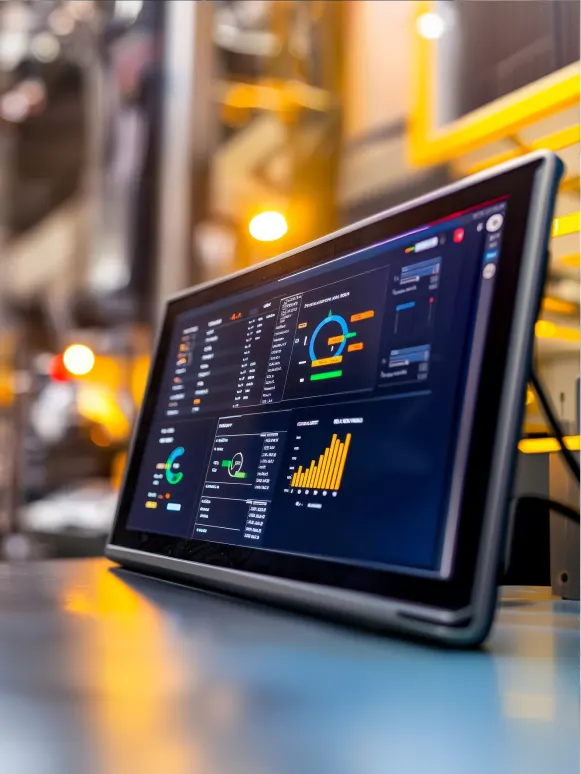
No one can see the whole plant at once.
Each cell has a screen. Each system has a dashboard. But the question “how is the plant running right now” takes a walk, three phone calls, and a spreadsheet someone updates by hand.
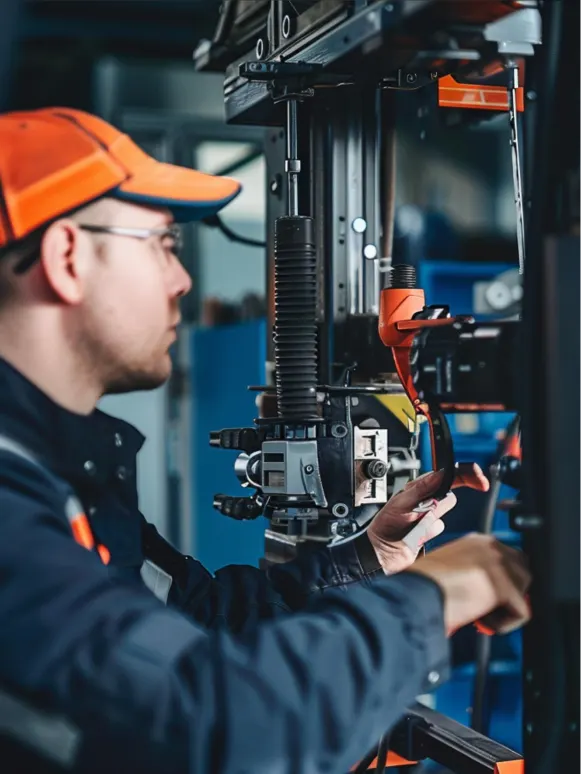
The same failures keep returning because nothing records the cause.
Recurring problems get solved in isolation on every shift and at every site. Without the history in one place, nobody sees the pattern, so the plant keeps meeting the same failure for the first time.
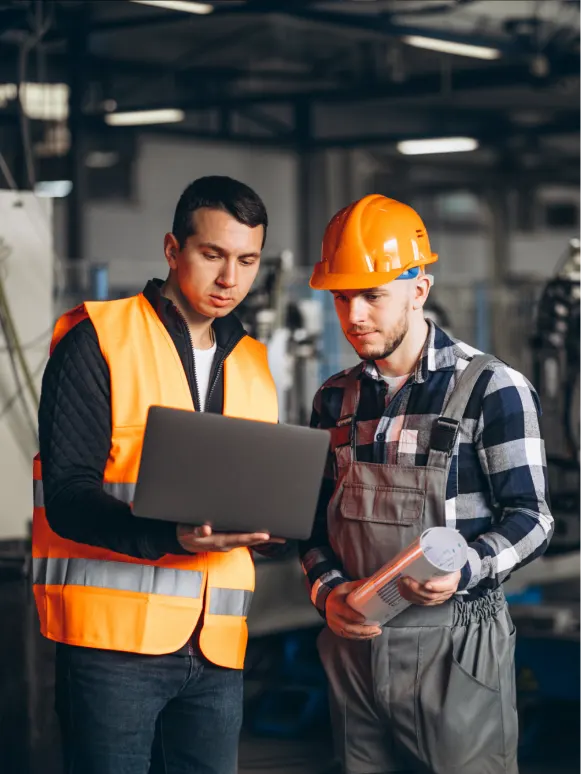
The logic that runs the plant was never written down.
The operator who knows the workaround, the engineer who knows why line three runs hot in summer. When they are off shift or move on, that knowledge leaves with them, and nothing on paper ever captured it.
Engineering That Reaches The Floor.
We build the layer between the machine and the enterprise, covering OT data collection, predictive maintenance, quality systems, production analytics, and the infrastructure underneath them.
Our Insights.
Expert perspectives on technology trends, industry best practices, and digital innovation shaping the future of business.
No results found
We couldn't find any insights matching your current filters. Try adjusting your selection or clear all filters.
Start With The Data You Already Collect.
Tell us what your plant is trying to see, predict, or prevent, and we will show you the fastest path from the sensor to the decision.