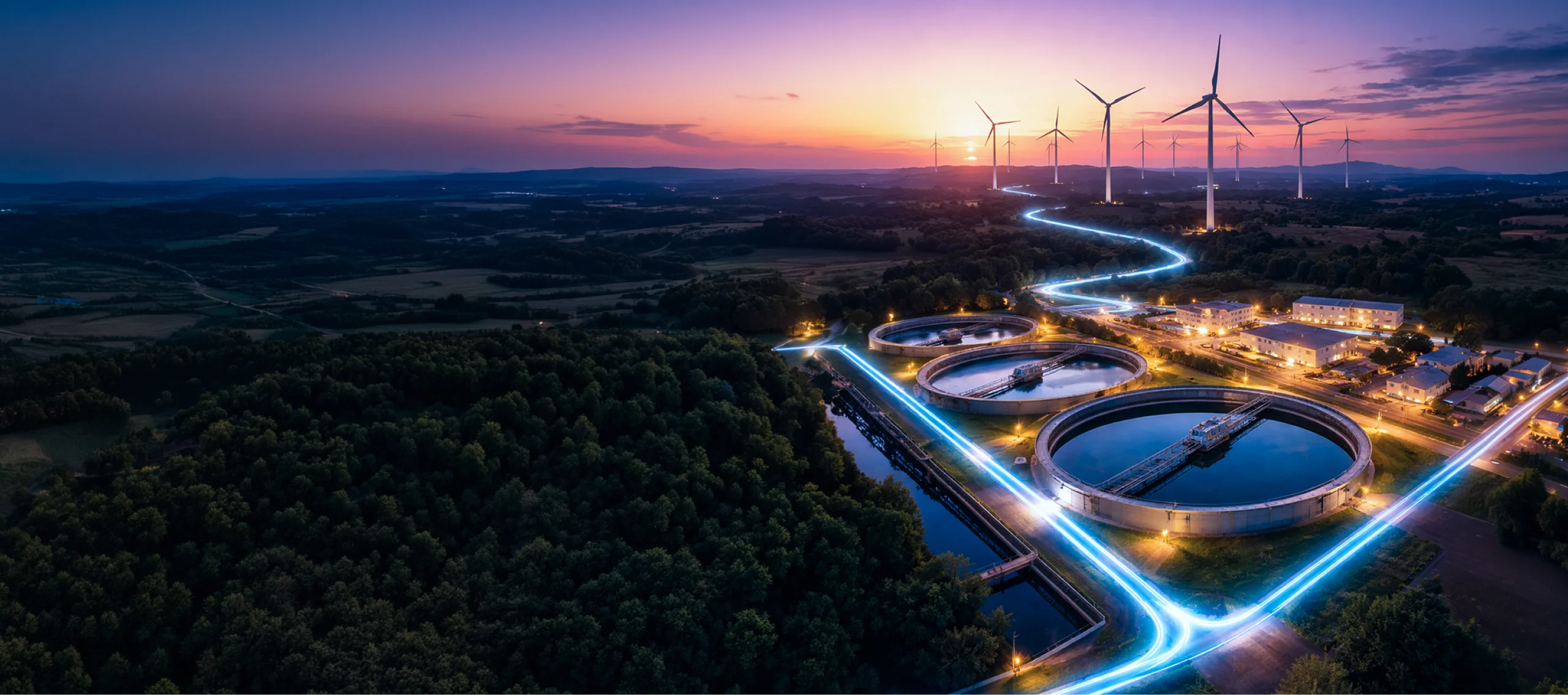
Smart Grid & Energy Management Systems.
We build the software, data, and AI behind utilities, grid operators, and energy retailers. Every system is built to hold when supply, demand, and distributed generation move faster than the control room can review them.
The Grid Balances in Real Time.
Supply and demand have to match continuously, or the network destabilizes. Feeders overload when a neighborhood loads at six, frequency swings when cloud cover crosses a solar farm, and outages surface through customer calls rather than sensors. We reduce that gap with telemetry ingested at the edge, forecasting models that read behind-the-meter generation, and grid data current enough to dispatch on.
The Network Outgrew The Systems Watching It.
Every utility has the same frustrations, across generation, transmission, and distribution, with different vendors who understand the dashboard but not the physics of the network behind it. These are the ones we hear most.
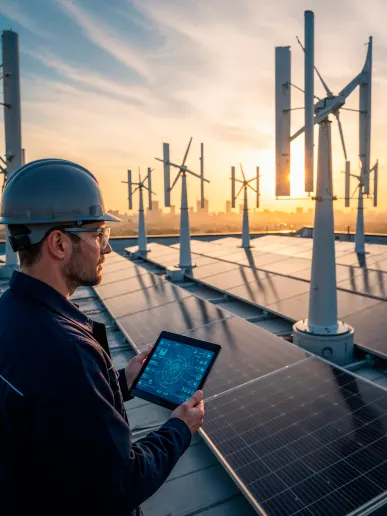
Distributed generation makes the grid unpredictable.
Rooftop solar, home batteries, and EV chargers now push power back up the line, and the flow reverses on any sunny afternoon. The network was engineered for one direction, and every new asset behind the meter is one you can neither see nor schedule.

Your outages surface through customer calls, not sensors.
A feeder trips and the first signal is a wave of calls, not a telemetry alert. By the time the fault is located and a crew is rolling, the outage map is guesswork stitched together from complaints instead of the network itself.
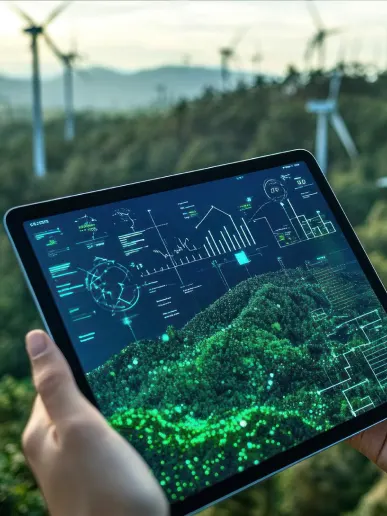
Your load forecast is wrong on the day it matters most.
Demand models trained on last year's average buckle on the heatwave or the cold snap that sets a record. The forecast that runs fine in April misses the July peak by the margin that decides whether you buy expensive power or shed load.
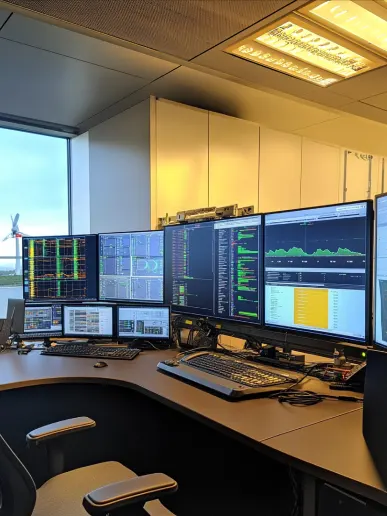
SCADA, GIS, and billing were never built to reconcile.
The control room sees one grid, the asset map sees another, and the meter data lives in a third system on its own schedule. A single question about a transformer's health or a customer's outage takes three exports and a spreadsheet to answer.
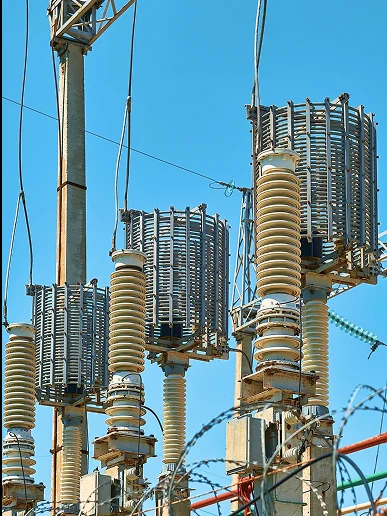
Your assets fail before anything flags the risk.
The transformer that has run for thirty years gives no notice before it does not, and the maintenance schedule is calendar-based, not condition-based. You replace healthy equipment early and lose the failing unit that no inspection was due to catch.
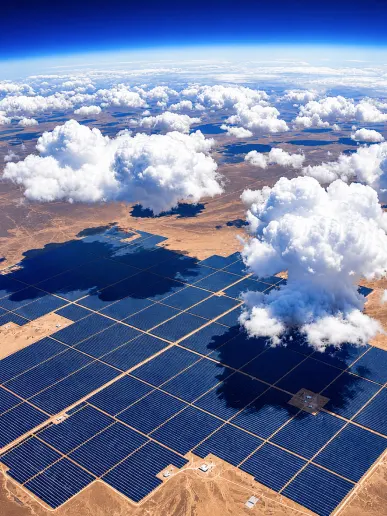
Renewables swing faster than the controls can respond.
Wind and solar output shifts in seconds as weather moves, and the frequency and voltage move with it. The regulation that held steady with baseload plants now chases intermittency that changes faster than a human operator can respond.
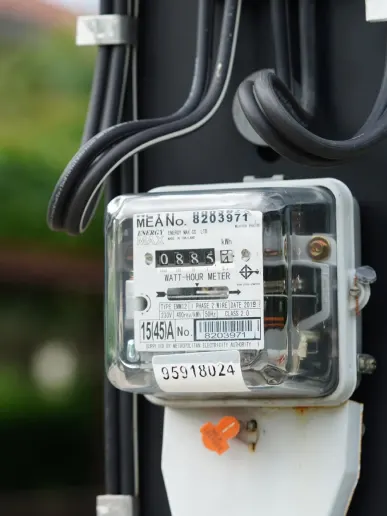
Meter data arrives faster than anything can process it.
Smart meters generate readings by the billions, and most of it lands in a warehouse no one queries in time. The signal that would flag theft, a failing meter, or an emerging overload is buried in intervals nobody reads until the bill dispute arrives.
The logic that runs the control room was never written down.
The dispatcher who knows which feeder sags in the heat, the planner who knows why one substation behaves differently. When they retire, that instinct leaves with them, and nothing you own captured how they read the network.
Engineering That Balances The Grid.
We build across generation, transmission, and distribution, covering grid telemetry, unified asset and network data, forecasting models, control room integration, and the secure infrastructure underneath them.
Our Insights.
Expert perspectives on technology trends, industry best practices, and digital innovation shaping the future of business.
No results found
We couldn't find any insights matching your current filters. Try adjusting your selection or clear all filters.
Let's Put Your Energy Data To Work.
Tell us what your network is trying to see, predict, or balance, and we will show you the fastest path from the telemetry to the dispatch decision.